Recycling and Sustainability at Burnt Oak Storage
 At Burnt Oak Storage, sustainability is part of how we operate every day. Our recycling and sustainability approach is designed to reduce waste, improve reuse, and support a cleaner local environment for households, businesses, and growing communities. We believe that storage can play a positive role in the circular economy by helping people keep hold of items for longer, separate materials more effectively, and move belongings in a way that lowers environmental impact.
One of our key goals is to reach a recycling percentage target of 85% across the waste streams we manage and influence through our site operations and moving activity. This includes cardboard, plastics, metals, timber, paper, and reusable household items. By monitoring where waste goes and choosing routes that prioritise recovery over disposal, Burnt Oak Storage aims to make a measurable contribution to local recycling performance. In practical terms, that means thinking carefully about sorting, collection timing, and onward transfer to the right facilities.
We also recognise that local authorities across North London and surrounding boroughs take different approaches to waste separation, and our sustainability work reflects that reality. Some boroughs encourage stricter separation of dry mixed recycling, while others focus on food waste, garden waste, and bulky-item diversion. By staying aligned with these local systems, Burnt Oak Storage helps customers and partners handle materials in a way that supports borough-level recycling outcomes and reduces contamination in waste loads.
Local Recycling Routes and Responsible Waste Handling
 A major part of our Burnt Oak Storage recycling approach is using trusted local transfer stations and recovery facilities. These sites act as important links between the point where materials are collected and the places where they are sorted, processed, or prepared for reuse. Choosing the right transfer station can make a big difference, especially when dealing with mixed loads from clear-outs, storage changes, or business moves. We favour facilities that prioritise material recovery, keep recycling streams separate, and maintain high standards for traceability.
In addition to standard recycling routes, we look for opportunities to divert items away from disposal entirely. Furniture, shelving, office equipment, and household goods can often be passed on for reuse if they remain in safe condition. This reduces the demand for new products and lowers the carbon footprint associated with manufacturing and transport. Our storage sustainability strategy supports this by encouraging careful sorting and by identifying items that can be reused, repaired, or donated before they become waste.
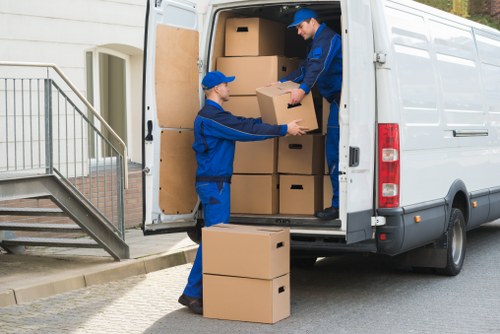 Burnt Oak Storage also pays attention to specific material categories that are common in urban waste streams. For example, cardboard from deliveries, shrink wrap from packing, and separated paper from office moves can all be managed efficiently when kept clean and dry. Metals and rigid plastics are often suitable for high-value recycling, while wood from dismantled furniture may be recycled or processed for energy recovery depending on its condition. These practical steps help local waste systems work more effectively and support boroughs that rely on clear separation to improve recycling rates.
Partnerships, Reuse, and Community Benefit
We work with charities and reuse organisations to give suitable items a second life. Partnerships with charities are central to our sustainability plans because they support communities while reducing waste. When customers no longer need sofas, desks, wardrobes, shelving, or packaged household goods, these items may be suitable for donation rather than disposal. By working with charity partners, Burnt Oak Storage helps ensure useful belongings reach people and organisations that can benefit from them.
These partnerships also support a more responsible approach to clearances and moving days. Instead of treating every item as refuse, our team considers whether it can be diverted to reuse channels first. That process may include sorting books, textiles, homeware, and office supplies separately so they can be directed to the most appropriate outlet. This is especially important in areas where borough recycling systems are already under pressure and where reuse can ease the burden on local waste infrastructure.
We also encourage the use of low-carbon vans for local transport where possible.  These vehicles help reduce emissions associated with storage moves, deliveries, and collection runs. While no fleet can eliminate every environmental impact, choosing lower-emission vans is a practical step toward a greener operation. Combined with efficient route planning and consolidated journeys, low-carbon transport helps Burnt Oak Storage cut fuel use and support cleaner air in the communities we serve.
Our Ongoing Sustainability Commitments
Burnt Oak Storage is committed to improving environmental performance over time, not just meeting today’s standards. That means continuing to review our recycling percentage target, strengthen partnerships with local recovery sites, and identify better ways to keep materials in circulation. We aim to promote a culture where reuse comes first, recycling comes second, and disposal is the last option. This mindset helps us align with broader sustainability goals across the boroughs and the wider city region.
We also pay attention to the practical realities of waste separation in densely populated areas. Shared buildings, mixed-use developments, and frequent moves can all create streams of material that need careful handling. By making separation simpler and more efficient, Burnt Oak Storage supports the kind of waste management behaviour that improves recycling performance at a local level. That includes encouraging the separation of paper and card, plastics, metals, and reusable goods before they enter the waste chain.
 At Burnt Oak Storage, sustainable storage is about more than recycling bins and collection schedules. It is about creating systems that value materials, reduce unnecessary waste, and support community-based reuse. With local transfer stations, charity partnerships, and low-carbon vans, we are building a more responsible model for storage and moving services. Our goal is simple: help customers store, move, and clear space in a way that respects the environment today and protects it for tomorrow.